Playful 3D Stylized Character Portrait AI Prompt
Prompt
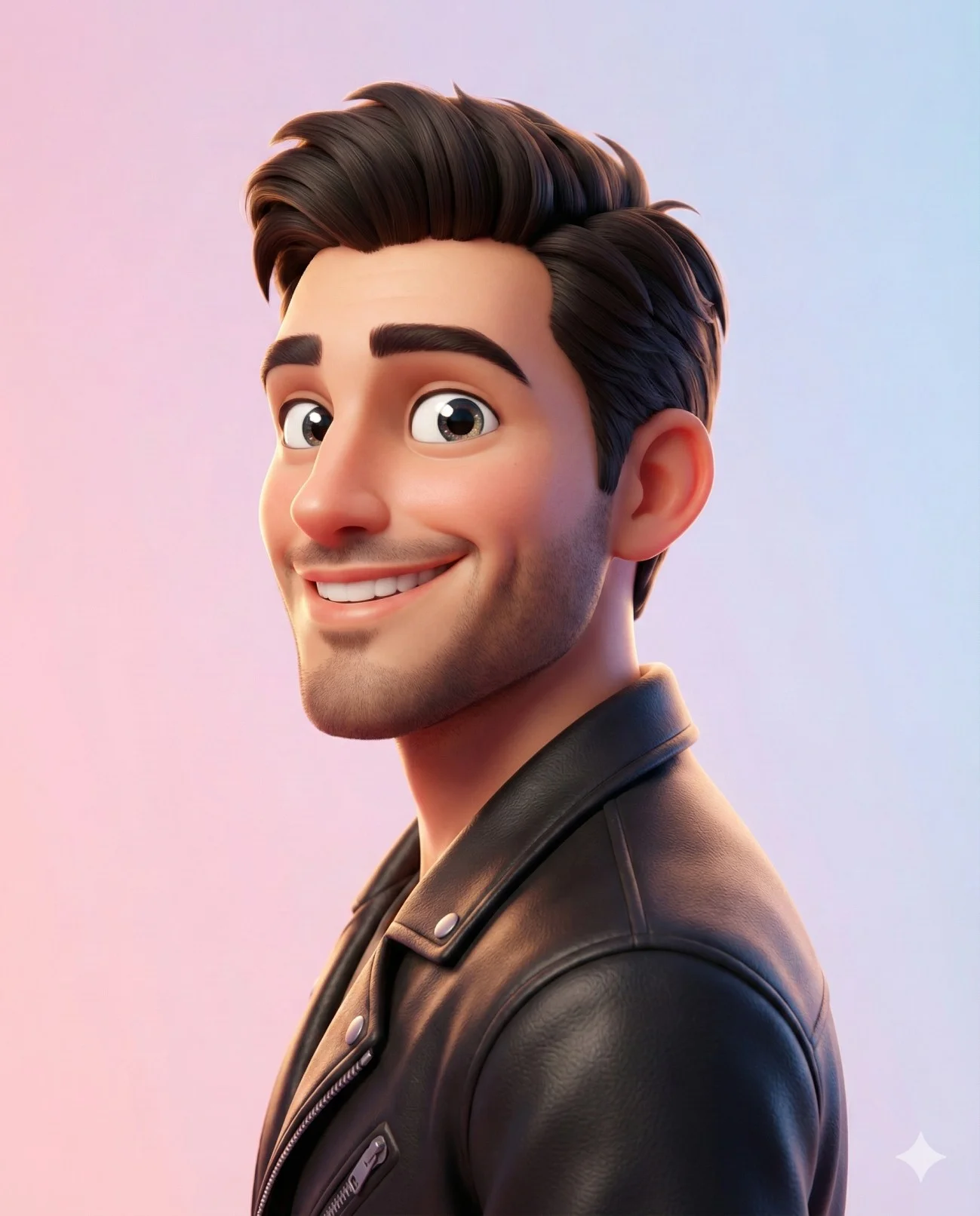
Translate the supplied photo into a side-profile, premium stylized 3D character while retaining identity, proportions, and every defining facial feature. Use a cute, lightly humorous animated/toy aesthetic. Tilt the head amiably, puff the cheeks slightly, and give the character a broad delightful grin. Add large sparkling expressive eyes, smooth glossy skin with subsurface scattering, and semi-real anatomy with restrained cartoon exaggeration in a polished animated-film or blind-box style.

Separate the subject with gentle cinematic studio illumination and a soft rim against a clean pastel gradient. Render through Octane and Unreal Engine 5 at ultra-detailed 8K, hyper-quality masterpiece finish.

Exclude facial distortion, bad anatomy, missing or additional fingers, misaligned or dull eyes, hard shadow, noise, grain, low resolution, JPEG artifacts, photographic human realism, uncanny-valley appearance, frightening or horror imagery, and dark gloomy atmosphere. Keep the output intentionally stylized in vertical 4:5.
How to use this prompt
Paste the complete prompt into Gemini. Add any required reference image, generate the first version without rewriting the source prompt, and then request one precise revision at a time.
Best AI model
Gemini is the model identified by the original source page for this prompt.
Tips for better results
• Keep the requested 4:5 framing during revisions.
• Preserve the specified lighting direction and contrast before changing wardrobe, pose, or background.
• Generate the complete prompt first, then refine one visual detail per revision.
• Keep the core subject and composition consistent while comparing variations.
Frequently Asked Questions
What does “Character Portrait” create?
It creates the subject, composition, and visual treatment described in the original prompt.
Which model should I use?
The source identifies Gemini; follow the prompt's own model and reference-image requirements.
Can I customize the result?
Yes. Generate the original prompt first, then change one detail at a time while preserving the core composition.